
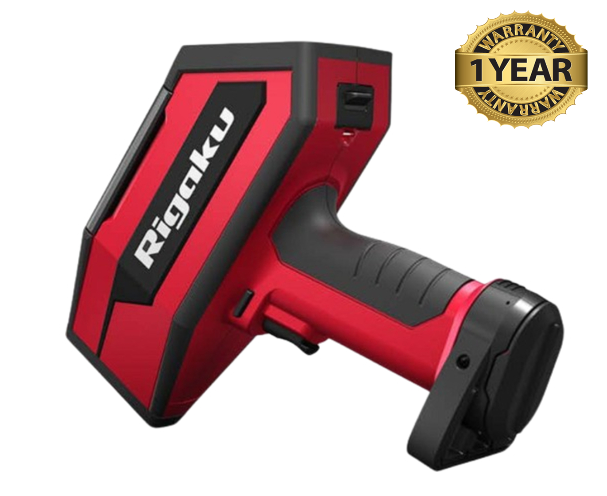

Rigaku KT-100 Alloys & Metals Handheld LIBS Analyzer
Condition: Refurbished / Calibrated
Warranty: 1 YEAR WARRANTY
Shipping: USA & Worldwide
- Rigaku KT-100 Alloys Handheld LIBS Analyzer(BC# -L/T*)
- Installed Modes:
- Alloys
- Metals
- Installed Modes:
- AC Adapter
- Battery Charger/Dock
- Carrying Case (G)
Rigaku KT-100 Alloys Handheld LIBS Analyzer
Integrating proprietary Breakthrough Laser Ablation & Detection Engine (BLADE) technology, the unique features and advantages of the KT-100S™ handheld LIBS metal analyzer include:
- Smallest & Lightest Handheld LIBS Sort All of Your Common Alloys with Ease
- QuickID™ Software Identify More in Less Time
- 10+ hour Battery Life Avoid Unscheduled Downtime
- Durable, Tested Design Built for Your Environment
Blade Technology
KT-100S utilizes cutting-edge Breakthrough Laser Ablation & Detection Engine (BLADE TM) technology in the most advanced handheld platform ever designed. In seconds, the powerful and highly focused laser engine of the KT-100S ablates a small amount of your sample, creating plasma. By analyzing that plasma, the KT-100S measures the chemical composition and with its best-in-class identification algorithm, determines the grade ID of your sample. The collection of this plasma on the same axis (patent-pending) allows KT-100S to have the smallest footprint versus other similar devices. The intuitive user interface of them is designed for maximum convenience and productivity. After powering on and logging in, the KT-100S is immediately ready for analysis.
Scrap Metal Recycling
Scrap metal recycling has become one of the most financially valuable segments in the metal production process around the globe. Depending on the alloy grade, materials and parts leftover from manufacturing can be found in scrap yards that will be sorted and later sold to smelters. These metal parts can have huge monetary worth and have led to a significant increase in the demand for better identification methods to sort metal more accurately
Metal Fabrication
Verification of alloy grades, including aluminum alloys, is imperative during any type of metal fabrication. Fabrication and machine shops prepare and assemble various raw materials using different processes. On-the-spot analysis during the manufacturing process is critical, as even the smallest component could have detrimental effects if the incorrect metal type is used.
Positive Material Identification (PMI)
Petrochemical, petroleum and power plants have put more stringent positive material identification (PMI) programs in place, to avoid disastrous, even tragic accidents. To ensure safety, it is imperative that before any metal component is used in the construction of an industrial plant, that the alloy composition is established. Further, verifying metal alloy composition is also crucial for metal alloys already installed with a plant.